
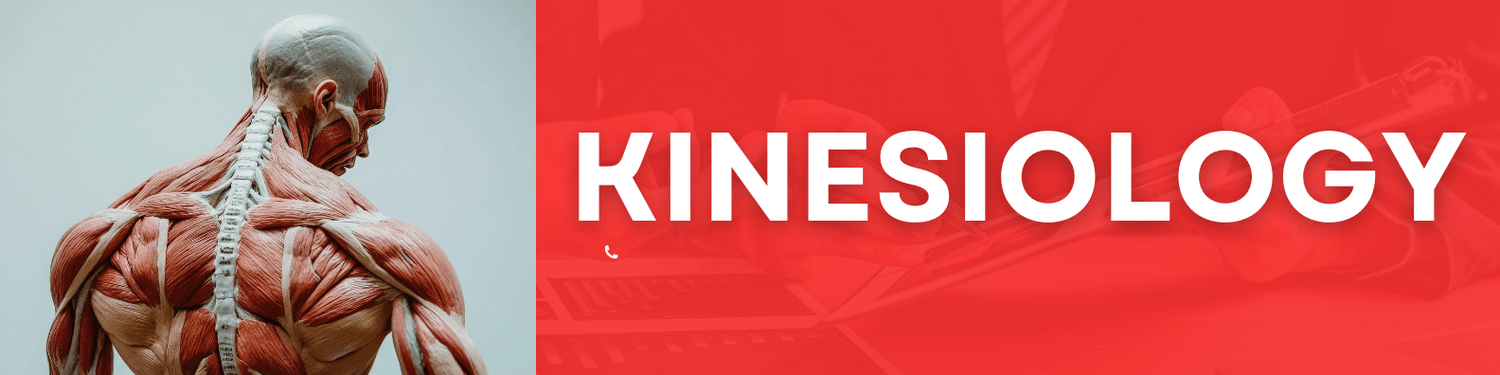
Kinesiology: The Science of Human Movement VIDEO
Kinesiology is the scientific study of human movement, drawing from anatomy, physiology, biomechanics, psychology, and neuroscience to understand how and why the body moves the way it does. At its core, kinesiology explores movement efficiency, physical performance, injury prevention, and overall human health. From elite athletes seeking peak performance to everyday individuals aiming for better posture, mobility, and wellness, kinesiology provides essential insights that apply across all stages of life.
In today’s health-conscious and performance-driven world, kinesiology has become increasingly important. It informs physical therapy, sports training, occupational health, rehabilitation, ergonomics, and even mental well-being. By understanding movement patterns and the systems that support them, kinesiology helps people move better, feel stronger, and live healthier lives.
Foundation of Kinesiology
Kinesiology is built on several foundational sciences that work together to explain movement.
Anatomy VIDEO
Anatomy focuses on the structure of the human body, including bones, muscles, joints, ligaments, and tendons. In kinesiology, anatomy explains what moves. Understanding muscle origin, insertion, and function allows professionals to analyze movement patterns and identify imbalances or weaknesses.
Anatomy Kinesiology VIDEO
Anatomy kinesiology is the integrated study of human anatomy and kinesiology, focusing on how the structure of the body enables movement. While anatomy examines the form and organization of the body—bones, muscles, joints, nerves, and connective tissues—kinesiology explores how these structures function during motion. Together, anatomy kinesiology provides a comprehensive framework for understanding how humans move, perform tasks, adapt to physical demands, and recover from injury. This field is foundational to health sciences, sports performance, physical therapy, occupational therapy, biomechanics, and fitness training. By linking structure to function, anatomy kinesiology explains not just what moves, but how and why movement occurs.
Physiology VIDEO
Physiology examines how body systems function, particularly the muscular, cardiovascular, respiratory, and nervous systems. It answers how movement is powered. Muscle contraction, energy production, oxygen delivery, and neural signaling are all physiological processes essential to movement.
Biomechanics VIDEO
Biomechanics applies principles of physics to human motion. It analyzes forces, torque, leverage, and motion efficiency. Biomechanics explains why certain movements are more effective or safer than others, helping reduce injury risk and improve performance.
Motor Control and Learning VIDEO
This area studies how the brain plans, coordinates, and refines movement. Motor learning explains how skills are acquired and improved through practice, feedback, and repetition—key for rehabilitation, athletic training, and skill development.
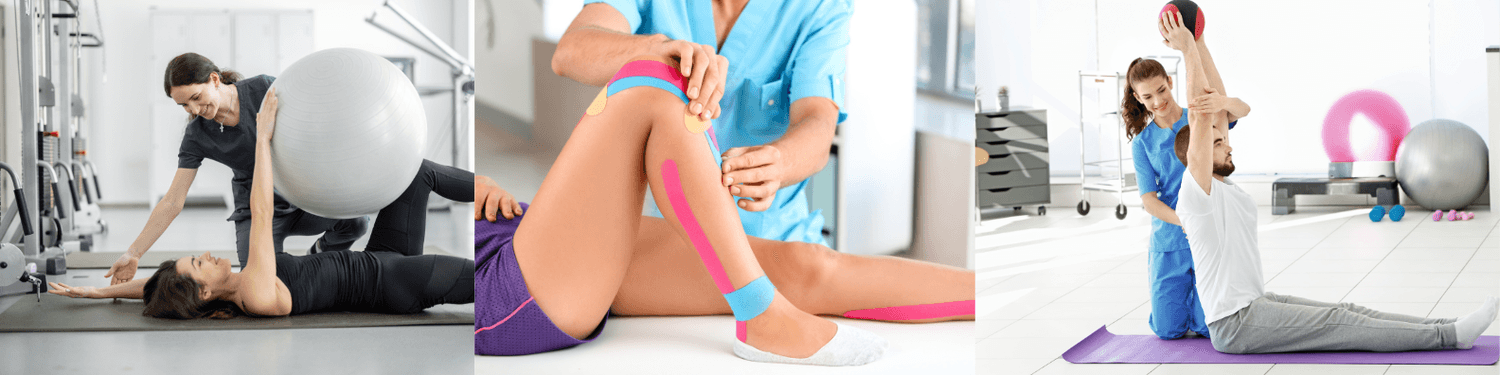
Major Branches of Kinesiology VIDEO
Kinesiology is a broad discipline with several specialized branches, each addressing different aspects of movement and health.
Exercise Physiology VIDEO
Exercise physiology focuses on how the body responds and adapts to physical activity. It examines heart rate, muscle fatigue, metabolism, endurance, and strength development. This branch is critical for designing training programs, improving fitness, and managing chronic conditions such as diabetes or heart disease.
Sports Kinesiology VIDEO
Sports kinesiology applies movement science to athletic performance. It helps athletes improve speed, power, coordination, and efficiency while minimizing injury risk. Coaches and trainers rely on sports kinesiology to optimize technique and recovery strategies.
Clinical and Rehabilitation Kinesiology VIDEO
Used in physical therapy and rehabilitation, this branch focuses on restoring movement after injury, surgery, or illness. It helps patients regain strength, mobility, balance, and function through targeted exercises and movement retraining.
Occupational and Ergonomic Kinesiology VIDEO
This area examines movement in the workplace. By analyzing posture, repetitive tasks, and physical demands, ergonomic kinesiology helps reduce workplace injuries and improve productivity and comfort.
Developmental Kinesiology VIDEO
Developmental kinesiology studies how movement changes across the lifespan—from infancy to older adulthood. It helps professionals support motor development in children and maintain mobility and independence in aging populations.
The Role of Muscles and Joints in Movement VIDEO
Muscles and joints are central to kinesiology. Muscles contract to produce force, while joints act as pivot points that allow movement. Each movement involves a coordinated interaction between multiple muscles working as agonists, antagonists, stabilizers, and synergists.
For example, bending the elbow requires:
Agonist: Biceps brachii (primary mover)
Antagonist: Triceps brachii (controls movement)
Stabilizers: Shoulder and forearm muscles
Synergists: Muscles that assist the main action
Understanding these relationships allows kinesiology professionals to diagnose movement dysfunctions and create effective corrective strategies.
Kinesiology and Injury Prevention
One of the most practical applications of kinesiology is injury prevention. Many injuries result from poor movement patterns, muscle imbalances, overuse, or improper mechanics. Kinesiology identifies these issues before they lead to serious problems.
By analyzing posture, gait, lifting techniques, and athletic movements, kinesiologists can:
Correct faulty movement patterns
Improve joint alignment and stability
Enhance flexibility and strength balance
Reduce strain on vulnerable tissues
This proactive approach is widely used in sports, fitness training, and workplace safety programs.
Kinesiology in Health and Wellness
Kinesiology plays a vital role in overall health and wellness. Regular movement supports cardiovascular health, muscle strength, bone density, metabolic function, and mental well-being. Kinesiologists help individuals adopt movement strategies that match their goals, abilities, and limitations.
Movement-based interventions informed by kinesiology can:
Reduce chronic pain
Improve posture and balance
Support weight management
Enhance energy levels
Promote stress relief and mental clarity
This holistic perspective recognizes movement as a cornerstone of both physical and mental health.
Mental Health and the Mind–Body Connection
Modern kinesiology increasingly emphasizes the mind–body connection. Movement is not purely mechanical; it is deeply influenced by emotions, stress, motivation, and neurological function.
Physical activity has been shown to reduce anxiety, depression, and cognitive decline.
Kinesiologists often integrate mindfulness, breathing techniques, and body awareness into movement programs. This approach helps individuals develop a healthier relationship with their bodies, improve confidence, and enhance overall quality of life.
Careers in Kinesiology
A degree or background in kinesiology opens the door to a wide range of careers, including:
Exercise physiologist
Athletic trainer
Strength and conditioning coach
Physical therapy assistant
Occupational health specialist
Rehabilitation aide
Wellness or fitness consultant
Researcher or educator
These professionals work in hospitals, clinics, schools, sports organizations, research institutions, corporate wellness programs, and private practice settings.
Kinesiology and Technology
Advancements in technology have expanded the reach of kinesiology. Motion capture systems, wearable fitness trackers, force plates, and biomechanical analysis software allow for precise movement assessment. These tools enhance training, rehabilitation, and research by providing real-time data and feedback.
Virtual reality and artificial intelligence are also being explored to create immersive rehabilitation programs and personalized movement plans, pushing kinesiology into an exciting future.
The Future of Kinesiology
As society becomes more aware of the importance of movement for longevity and quality of life, kinesiology will continue to grow in relevance. Aging populations, sedentary lifestyles, and rising chronic disease rates make movement science more critical than ever.
Future directions include:
Personalized movement prescriptions
Integration with preventive healthcare
Expanded use of digital and wearable technologies
Greater emphasis on movement education in schools and workplaces
Kinesiology will play a central role in helping individuals not just live longer, but move better throughout their lives.
Conclusion
Kinesiology is far more than the study of exercise—it is the science of how humans move, adapt, and thrive. By integrating anatomy, physiology, biomechanics, and psychology, kinesiology provides a comprehensive understanding of movement that supports health, performance, and well-being.
Whether applied to sports, rehabilitation, workplace safety, or everyday fitness, kinesiology empowers people to move with purpose, efficiency, and confidence. As our understanding of the human body continues to evolve, kinesiology will remain a foundational discipline shaping the future of health, movement, and human potential.